


Diabetes and Eye Health: Protecting Your Vision
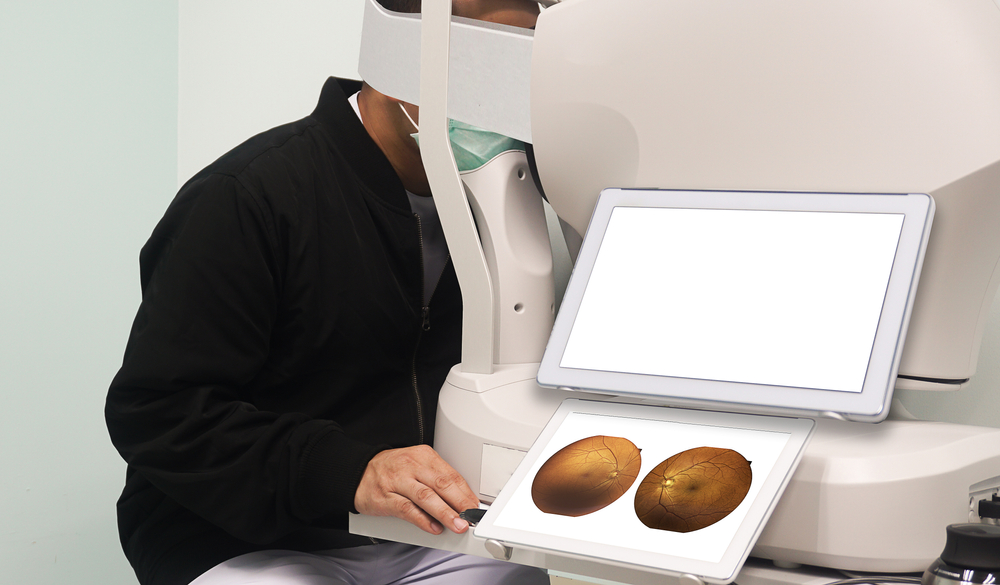
Diabetes affects millions of Americans and can impact many parts of the body - including your eyes. Over time, high blood sugar levels can damage the delicate blood vessels and structures inside the eye, increasing the risk of serious vision problems. The good news is that with proactive care and regular eye exams, many diabetes-related eye conditions can be detected early and managed effectively.
How Diabetes Affects the Eyes
When blood sugar levels remain elevated, they can weaken and damage the tiny blood vessels in the retina, the light-sensitive tissue at the back of the eye. This damage may occur gradually and without noticeable symptoms at first, which is why routine eye care is essential for anyone with diabetes.
Diabetic Retinopathy
Diabetic retinopathy is one of the most common causes of vision loss in adults with diabetes. It occurs when damaged blood vessels leak fluid or bleed into the retina. In advanced stages, abnormal new blood vessels can form, further threatening vision.
Diabetic Macular Edema (DME)
DME is a complication of diabetic retinopathy that causes swelling in the macula—the part of the retina responsible for sharp, central vision. This condition can make reading, driving, and recognizing faces difficult.
Cataracts
People with diabetes are more likely to develop cataracts at an earlier age. Cataracts cause clouding of the eye’s natural lens, leading to blurred or dim vision.
Glaucoma
Diabetes nearly doubles the risk of developing glaucoma, a condition that damages the optic nerve and can result in permanent vision loss if left untreated.
Warning Signs You Shouldn’t Ignore
Many diabetic eye conditions develop silently, but symptoms may appear as the disease progresses. Contact an eye care professional if you experience:
• Blurry or fluctuating vision
• Dark spots, floaters, or streaks in your vision
• Difficulty seeing at night
• Sudden vision loss
• Eye pain or pressure
Even if you don’t notice any changes in your vision, regular eye exams remain critical.
The Importance of Annual Diabetic Eye Exams
A comprehensive diabetic eye exam allows your optometrist to evaluate the health of your retina, optic nerve, and blood vessels. Advanced imaging technology can detect subtle changes long before symptoms appear, giving you the best chance to preserve your vision. Most patients with diabetes should have a dilated eye exam at least once a year, or more frequently if recommended by their eye doctor.
Protecting Your Vision with Diabetes
You can take important steps to reduce your risk of diabetes-related eye problems:
• Maintain healthy blood sugar levels
• Control blood pressure and cholesterol
• Follow your doctor’s treatment plan
• Eat a balanced diet and stay active
• Avoid smoking
• Keep up with routine eye exams
Prioritize Your Eye Health with Expert Care
Diabetes doesn’t have to lead to vision loss - but early detection and ongoing care are essential. Regular eye exams, combined with good diabetes management, can significantly reduce your risk of serious eye complications and help protect your sight for years to come.
Contact Marana Eye Care to schedule a diabetic eye exam and take an important step toward protecting your vision. Visit our office in Tucson, Arizona, or call (520) 337-2300 to book an appointment today.

All Eye
Care Services

Keep
In Touch


Office Hours
- Monday Closed
- Tuesday 9:00am - 5:00pm
- Wednesday 10:00am - 3:00pm
- Thursday 9:00am - 5:00pm
- Friday 10:00am - 3:00pm
- Saturday 9:00am - 4:00pm
- Sunday Closed
© 2026 Marana Eye Care | All rights Reserved | Accessibility Statement | Privacy Policy | Sitemap
Powered by:
